Fleet Insurance in Kentucky
We provide Fleet Insurance solutions to businesses in Kentucky, Indiana and Tennessee.
Fleet Insurance at Helton Insurance Group
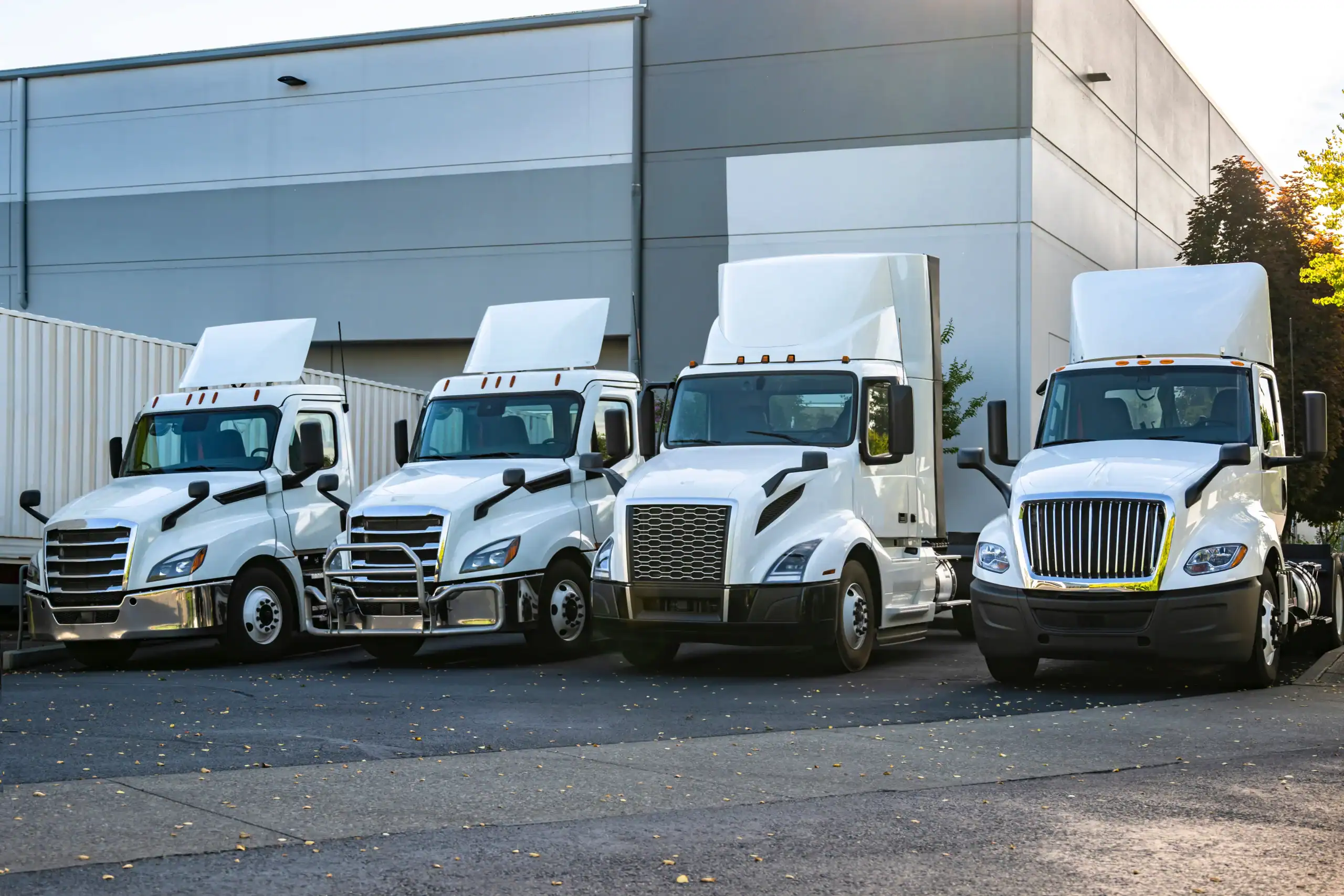
Businesses that rely on multiple vehicles need an insurance strategy that can account for more than one driver, vehicle, route, and daily operation. Fleet Insurance can provide a practical way to manage coverage for businesses with several commercial vehicles, whether they operate service vans, pickup trucks, box trucks, or other vehicles used for business purposes.
Helton Insurance Group helps Kentucky businesses explore Commercial Fleet Insurance options suited to their operations. By considering the vehicles, drivers, business activities, and other factors involved, an insurance professional can help identify coverage that aligns with the risks a fleet may encounter on the road.
What Is Fleet Insurance?
Fleet Insurance is designed for businesses that operate multiple vehicles as part of their regular operations. Rather than treating every vehicle as an entirely separate insurance concern, a commercial fleet policy may bring several vehicles under one insurance program, depending on the insurer and the business’s circumstances. Fleet coverage can be useful for companies that have grown from one or two vehicles into a larger operation or that depend on vehicles every day.
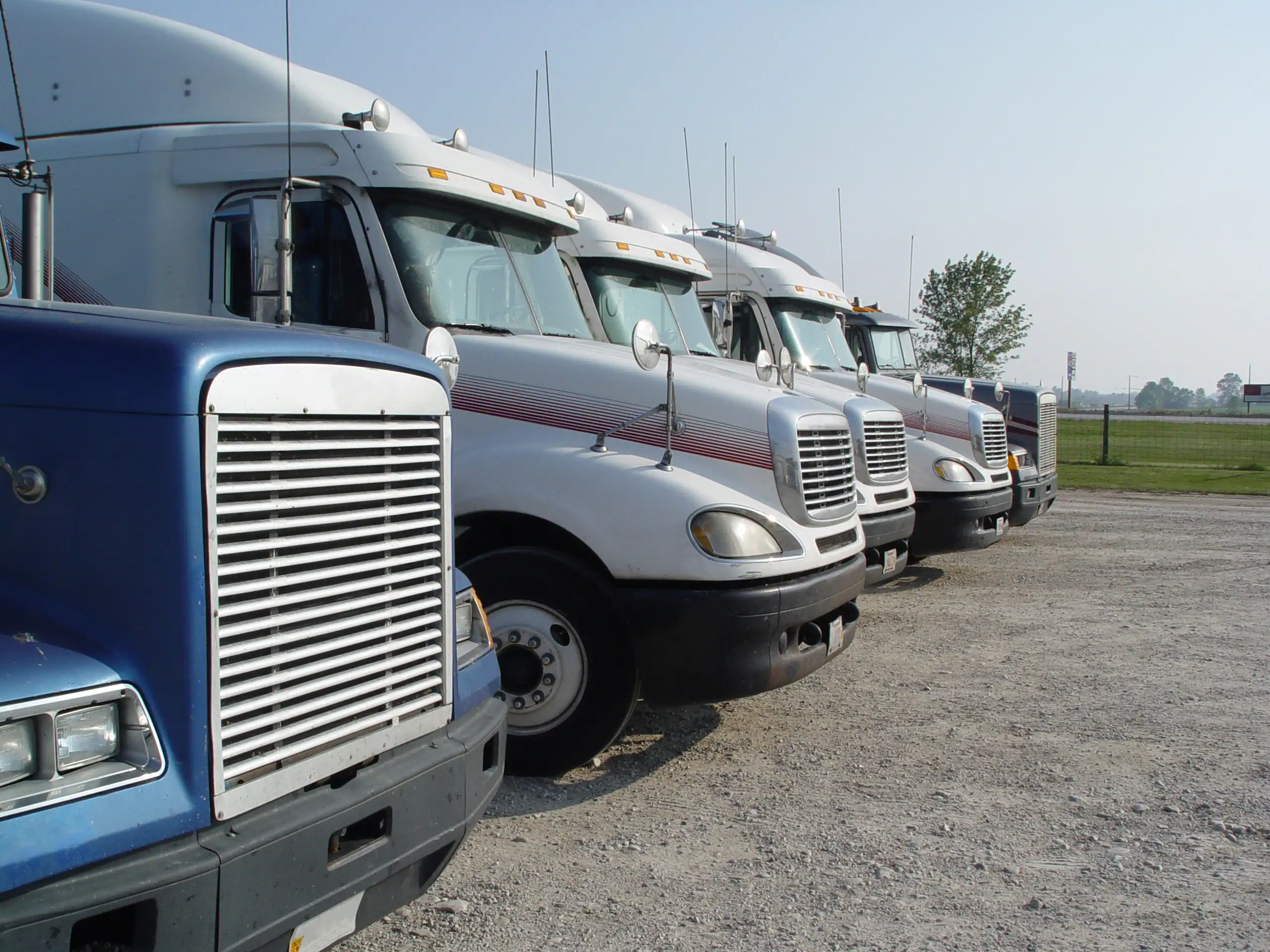
A fleet may consist of vehicles with different uses, sizes, and operating patterns. For example, a contractor could have pickup trucks and work vans, while a delivery company might operate a combination of cargo vans and box trucks. The appropriate insurance program can vary based on these details. Helton Insurance Group can help businesses review their fleet and consider options that fit their specific needs.
Get a Quote
What May Commercial Fleet Insurance Cover?
The coverage included in a Commercial Fleet Insurance program depends on the policy, insurer, vehicles, and business operations. Businesses may consider several types of protection when developing a fleet insurance program.
Coverage options may include:
- Commercial Auto Liability: May help address covered third-party bodily injury or property damage claims arising from an insured vehicle.
- Collision Coverage: May provide protection for covered vehicle damage resulting from a collision, subject to policy terms and deductibles.
- Comprehensive Coverage: May address certain covered losses that do not result from a collision, such as theft, vandalism, or weather-related damage.
- Uninsured/Underinsured Motorist Coverage: May provide protection in qualifying accidents involving drivers who have insufficient or no applicable insurance.
- Medical Payments Coverage: May help with certain medical expenses following a covered accident, depending on the policy.
Not every business needs the same combination of coverage. Reviewing how vehicles are used, where they travel, and who operates them can help determine which options deserve consideration.
Why Do Kentucky Businesses Need Fleet Insurance?
For many Kentucky businesses, vehicles are an essential part of keeping operations moving. Employees may travel between job sites, deliver products, transport equipment, meet with customers, or perform services throughout the region. With multiple vehicles on the road, a business can face a range of auto-related risks that may affect its operations and finances.
Fleet Insurance can offer a way to organize commercial auto protection around the business’s overall fleet rather than approaching every vehicle as an isolated asset. It can also make managing a growing vehicle schedule more straightforward, although the available policy structure depends on the insurance company.
Fleet insurance needs can change as a company adds vehicles, hires new drivers, changes routes, or expands its services. Regularly reviewing the policy can help a business keep its insurance program aligned with its current operations.
What Factors Affect Commercial Fleet Insurance Costs in Kentucky?
The cost of Commercial Fleet Insurance can vary considerably from one business to another. Insurers typically consider several details when evaluating a fleet and determining available pricing and coverage options. The number and types of vehicles are important, but they are only part of the overall picture.
Factors may include:
- Number and type of vehicles
- Vehicle values and uses
- Driver experience and driving records
- Where vehicles are operated
- Annual mileage and travel radius
- Claims history
- Business operations
- Selected coverage limits and deductibles
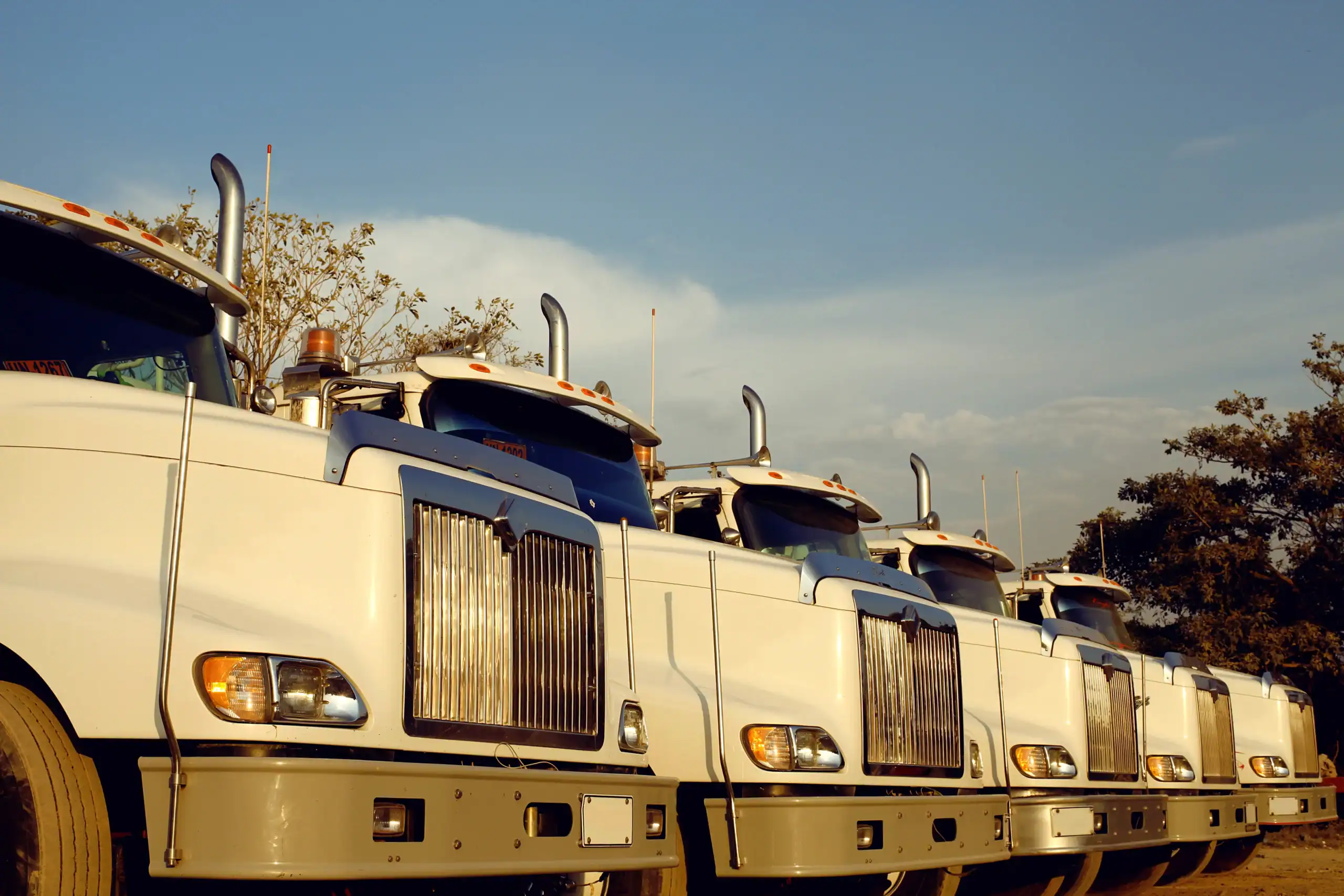
A fleet consisting primarily of light-duty service vehicles may present different insurance considerations than a fleet involving heavier trucks or extensive regional travel. Businesses can benefit from providing accurate information about their operations when discussing insurance. Helton Insurance Group can help Kentucky business owners understand the factors that may influence their fleet insurance options.
How Can Businesses Manage Fleet Insurance More Effectively?
Managing several commercial vehicles requires keeping insurance information current. When a business purchases another vehicle, removes one from service, changes its operations, or adds a new driver, those changes may affect its insurance needs. Keeping accurate vehicle and driver records can make policy management easier and help reduce the possibility of outdated information.
Businesses should also consider how their vehicles are actually being used. A vehicle originally insured for one purpose may later be used for different routes, equipment transportation, deliveries, or other activities. Changes in use can be important when reviewing a commercial auto policy.
Driver selection and safety practices are also valuable parts of fleet management. Businesses may establish driver requirements, maintain maintenance schedules, and encourage safe driving habits. These practices do not replace insurance, but they can contribute to a broader approach to managing vehicle-related risks.
What Should Kentucky Businesses Consider When Choosing Fleet Coverage?
Selecting Fleet Insurance involves more than simply counting the number of vehicles a company owns. Businesses should consider how their vehicles support daily operations and what could happen if one or more vehicles were unavailable after a covered loss.
The types of vehicles, employee driving responsibilities, operating territories, cargo or equipment carried, and typical mileage can all provide useful context when reviewing insurance options. A company with a local service fleet may have different needs from one whose drivers regularly travel across Kentucky or into neighboring states.
It can also be helpful to review coverage as the business grows. New vehicles, additional employees, expanded services, and changing business locations can all affect an insurance program. Working with an experienced insurance agency can give business owners an opportunity to discuss these changes and evaluate available options.
How Can Helton Insurance Group Help With Fleet Insurance?
Finding the right Fleet Insurance program can be easier when a business has an insurance professional who understands its operations. Helton Insurance Group works with Kentucky businesses to help them evaluate commercial insurance needs and explore available coverage options. Rather than taking a one-size-fits-all approach, the agency can review the vehicles, drivers, and business activities involved in the fleet.
Whether a company operates a small group of service vehicles or a larger commercial fleet, its insurance needs may evolve over time. Helton Insurance Group can help business owners review their Commercial Fleet Insurance options and consider coverage that fits their current operations. Contact Helton Insurance Group today to discuss your fleet insurance needs in Kentucky and available options.
Get in touch with our team!

For questions or concerns, please contact our independent insurance agents by filling out the form!
235 Main Street,
Calhoun, KY 42327